
1951
1951 — A Pioneer is Born
In 1951, at a time when early childhood education was not yet widely recognized in Uganda, Kampala Kindergarten Association (KKA) was established as the country’s first formal kindergarten.
Founded by a small group of committed parents—primarily from the expatriate community—the school was registered as a Public Trust. Their goal was simple but visionary: to create a safe, nurturing environment where young children could learn through play, curiosity, and structured care.
This marked the beginning of organized early years education in Uganda—a bold step that would influence generations to come.

1959
Laying Strong Foundations.
By the late 1950s, KKA had moved beyond its experimental beginnings into a more structured institution.
Classroom routines were refined, teaching approaches became more intentional, and early childhood development principles began guiding the school’s programs. The emphasis was on play-based learning, social interaction, and emotional development—approaches that were progressive for their time.
KKA was no longer just a childcare centre—it was becoming a model for early education.
1965
Adapting in a New Nation
Following Uganda’s independence in 1962, the country was undergoing social and cultural transformation. By 1965, KKA began to reflect this changing landscape.
The school gradually opened its doors to a wider community, moving beyond its original expatriate base. It started to incorporate more inclusive values, recognizing the importance of diversity and belonging in early education.
This period marked KKA’s first major shift—from a niche institution to a community-centered school
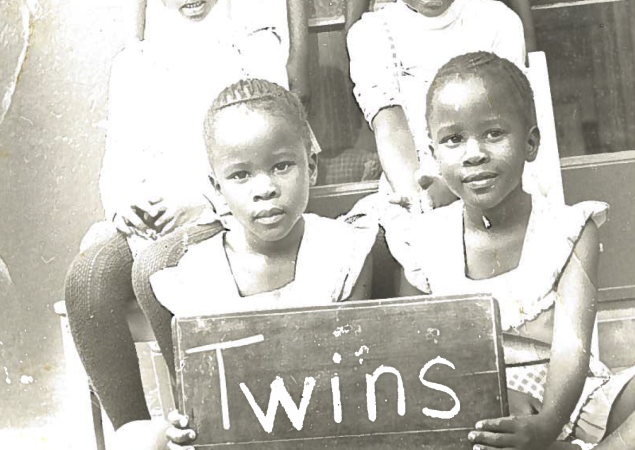
1970
Stability Through Uncertainty
The 1970s brought political and economic challenges across Uganda. Many institutions struggled to survive—but KKA endured.
Through dedication and resilience, the school maintained a stable, nurturing environment for children despite the uncertainty outside its gates. Teachers and administrators became anchors of consistency, ensuring that children continued to learn, play, and grow.
This era defined KKA’s strength of character—its ability to remain focused on children even in difficult times.
1985
Renewal and Rebuilding
By the mid-1980s, Uganda was emerging from years of instability. For KKA, this was a time of rebuilding and renewal.
The school began strengthening its infrastructure, governance, and educational systems. There was a renewed commitment to quality, professionalism, and long-term sustainability.
KKA re-established itself as a trusted institution, setting the stage for future growth and modernization.
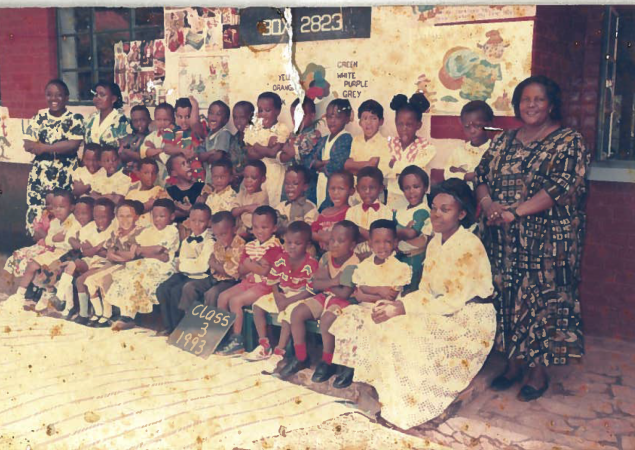
1999
A Truly International Community
As Uganda became more globally connected in the 1990s, KKA evolved into a fully inclusive and multicultural school.
By 1999, it welcomed children from a wide range of nationalities, cultures, and backgrounds. Classrooms became vibrant spaces of diversity, where children learned not only academics but also respect, empathy, and global awareness.
This transformation positioned KKA as more than a school—it became a community of cultures.

2005
The Rise of Holistic Learning
In the early 2000s, KKA embraced modern educational philosophies that focused on the whole child.
Learning expanded beyond the classroom to include:
- Creative arts (music, dance, drama)
- Physical development (sports and outdoor play)
- Social and emotional learning
- Exploration and discovery-based activities
The curriculum became more dynamic and child-centered, ensuring that each learner developed confidence, creativity, and independence.

2010
Strengthening Excellence
By 2010, KKA had firmly established itself as a leader in early childhood education in Uganda.
The school invested in:
- Improved learning facilities
- Enhanced teacher training
- More structured yet flexible curricula
The goal was clear: to provide a balanced education that nurtured intellectual growth alongside emotional and social well-being.
KKA was no longer just participating in education—it was setting the standard.

2019
Preparing for a Changing World
As the world entered a digital and fast-changing era, KKA adapted once again.
In 2019, the school strengthened its focus on:
- Critical thinking
- Creativity and problem-solving
- Early exposure to technology in age-appropriate ways
- Experiential and inquiry-based learning
Children were encouraged to ask questions, explore ideas, and develop confidence in expressing themselves—skills essential for the 21st century.
2023
Reinforcing a Legacy of Excellence
By 2023, KKA stood as a well-established institution with decades of impact behind it.
The school continued refining its approach, blending tradition with innovation. Its identity was rooted in:
- Strong values
- Child-centered learning
- A nurturing, inclusive environment
KKA remained committed to shaping not just students, but well-rounded individuals ready for the future

2026
Celebrating 75 Years & Looking Ahead
In 2026, KKA celebrates 75 years of excellence, resilience, and transformation.
From a small expatriate kindergarten to a thriving, diverse educational community, its journey reflects both Uganda’s history and the evolution of early childhood education.
Looking ahead, the school is focused on:
- Integrating modern technology into early learning
- Expanding innovative teaching methods
- Continuing to nurture creativity, confidence, and global citizenship
KKA’s future is guided by the same vision that began in 1951—to give every child the best possible start in life.
The first foundation of Kampala Kindergarten Association is recorded in 1951 when the school was registered as a Public Trust by a group of British parents with a major objective of providing a worthwhile care and education for their children between three and six years.
Initially, KKA was exclusive to only children from the well-to-do families, who at that time were mainly European children. However, Kampala Kindergarten Association is now an Early Childhood Education centre for children of all nationalities between two and six years old.